
Establishment of the Council

The Family Affairs Council was established in 1437 AH, and its Statute was amended in 1443 AH to become organizationally linked to the Council of Economic and Development Affairs. The Council has legal personality and enjoys financial and administrative independence. Its headquarters are located in Riyadh. The Council aims to strengthen the role and status of the family in society, advance its well-being, and preserve a strong and cohesive family that nurtures its children and upholds religious and moral values and noble principles.
*Amended Family Affairs Council Statute, issued by Council of Ministers Decision No. (443), dated 12/08/1443 AH.

Council Secretariat

Council Vision

Empowering families and enhancing their role in achieving sustainable development in line with Saudi Vision 2030.

Council Mission

Delivering excellence in family-centered programs and services, engaging stakeholders, and developing comprehensive initiatives that contribute to the sustainable development of families, women, children, and the elderly.

Council Values

Initiative

Reliability

Participation

Innovation

Responsibility

Organizational Structure
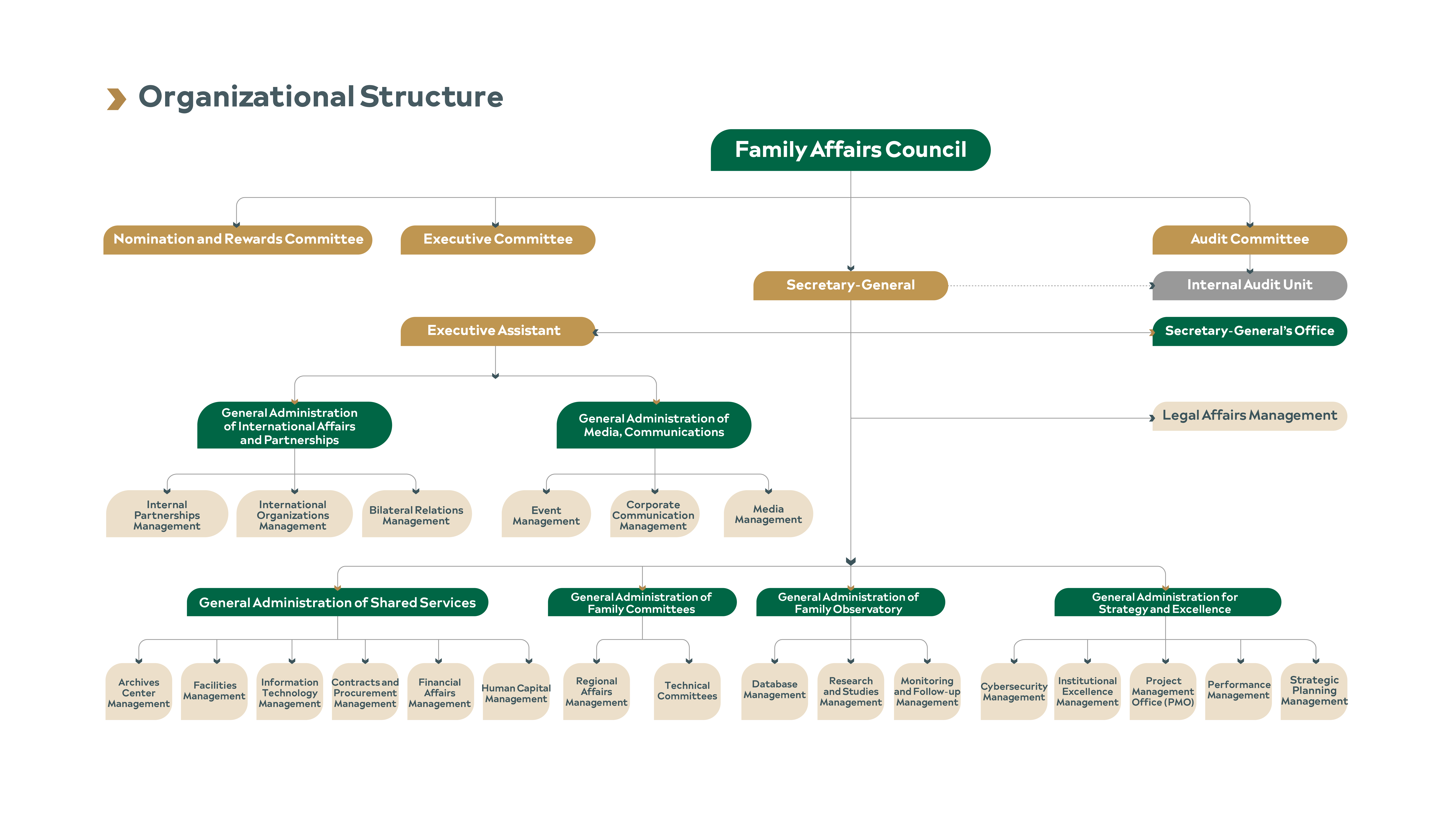
Council Committees

According to Article 6 of the Council Statute, the Council may establish the permanent or temporary technical committees it deems necessary, including the Childhood Committee, the Elderly Committee, and the Women’s Committee. The Council determines the membership, responsibilities, working mechanisms, and governance of each committee. These committees undertake a range of responsibilities, including preparing local, regional, and international participations related to their respective areas of expertise.

Committees’ Responsibilities

Childhood Committee

Committee is responsible for matters related to children from birth to the age of 18, regardless of their health, social, or economic status. The Committee comprises specialists, experts, and professionals dedicated to child well-being and development. The Committee is responsible for proposing and reviewing laws, regulations, policies, plans, projects, programs, and initiatives aimed at meeting children’s developmental, care, and protection needs, in alignment with the objectives, public policies, and strategic directions of the Family Affairs Council and Saudi Vision 2030. The Committee also prepares for and represents the Kingdom in local, regional, and international events, forums, and engagements related to its area of responsibility.

Women’s Committee

This Committee is responsible for women’s affairs and is composed of qualified members, experts, and stakeholders concerned with women’s issues. The Committee works to review policies, build partnerships, and develop initiatives and programs aimed at advancing the role of women and empowering them socially and economically, while contributing to family cohesion and well-being. These efforts are carried out in alignment with the objectives, public policies, and strategic directions of the Family Affairs Council and Saudi Vision 2030. The Committee also prepares for and represents the Kingdom in local, regional, and international events, forums, and engagements related to its mandate.

Elderly Committee

This Committee is responsible for matters related to the elderly and serves individuals aged sixty (60) years and above. The Committee is composed of specialists, experts, and stakeholders concerned with matters related to the elderly and appointed by a Council decision. The Committee is responsible for proposing and reviewing laws, regulations, policies, plans, projects, programs, and initiatives that address the needs of the elderly, in alignment with the objectives, public policies, and strategic directions of the Family Affairs Council and Saudi Vision 2030. The Committee also prepares for and represents the Kingdom in local, regional, and international engagements related to its mandate.

Council Mandates

Developing the National Family Strategy in coordination with the relevant entities, submitting it for completion of the required legal procedures, and periodically monitoring and evaluating its implementation, in accordance with the Royal Directive communicated through the telegram of His Excellency the President of the Royal Court No. 81616 dated 14/10/1447 AH.

Ensuring that government and non-government entities concerned with family affairs fulfill their roles, achieve their objectives, and coordinate their efforts to establish a shared vision for the family.

Raising awareness of the rights and responsibilities of family members in Islam.

Identifying the issues and risks facing families and developing appropriate solutions to address them.

Raising public awareness of the importance of family issues and ways to address them.

Encouraging community participation in supporting family issues and proposing solutions to address them.

Providing opinions to the relevant authorities on national reports concerning family affairs, including children, women, and the elderly in the Kingdom.

Reviewing reports, studies, inquiries, and recommendations issued by regional and international bodies and organizations concerning activities and programs related to family affairs, and providing recommendations thereon, without prejudice to the responsibilities of the relevant authorities.

Proposing legislation related to family affairs.

Developing and maintaining a database on family affairs.

Cooperating with regional and international bodies and organizations concerned with family affairs, and participating in conferences and seminars addressing family issues through the specialized committees, in accordance with applicable procedures.

Collaborating with local and international research centers to conduct research and studies related to family affairs, in accordance with applicable procedures.

Approving the financial and administrative regulations governing the Council, provided that administrative regulations are approved in coordination with the Ministry of Human Resources and Social Development, and financial regulations and financial provisions contained within administrative regulations are approved in coordination with the Ministry of Finance.

Approving the Council’s organizational structure.

Approving the Council’s annual budget proposal, final accounts, auditor’s report, and annual report, prior to their submission in accordance with the applicable legal procedures.

Accepting gifts, donations, grants, bequests, and endowments made to the Council.

Chairman of the Council
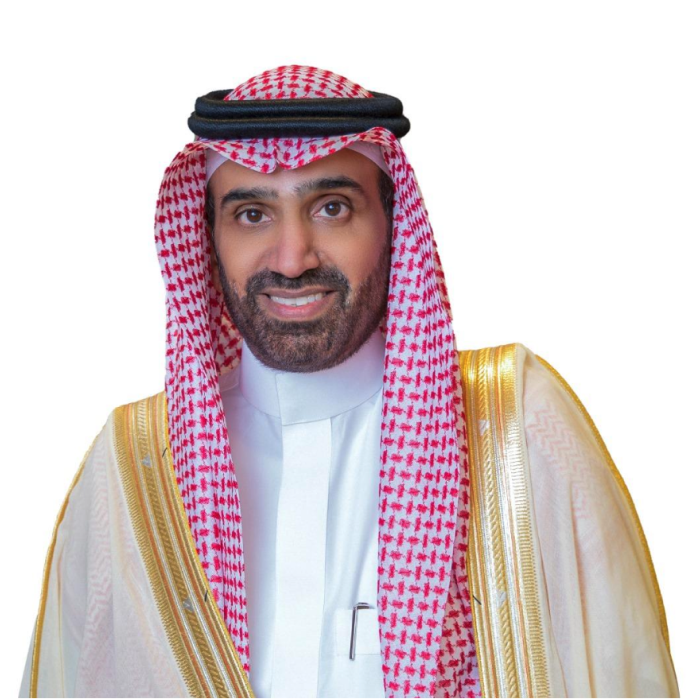
His Excellency Eng. Ahmed Sulaiman Alrajhi 

Chairman of the Family Affairs Council and Minister of Human Resources and Social Development

Secretary General
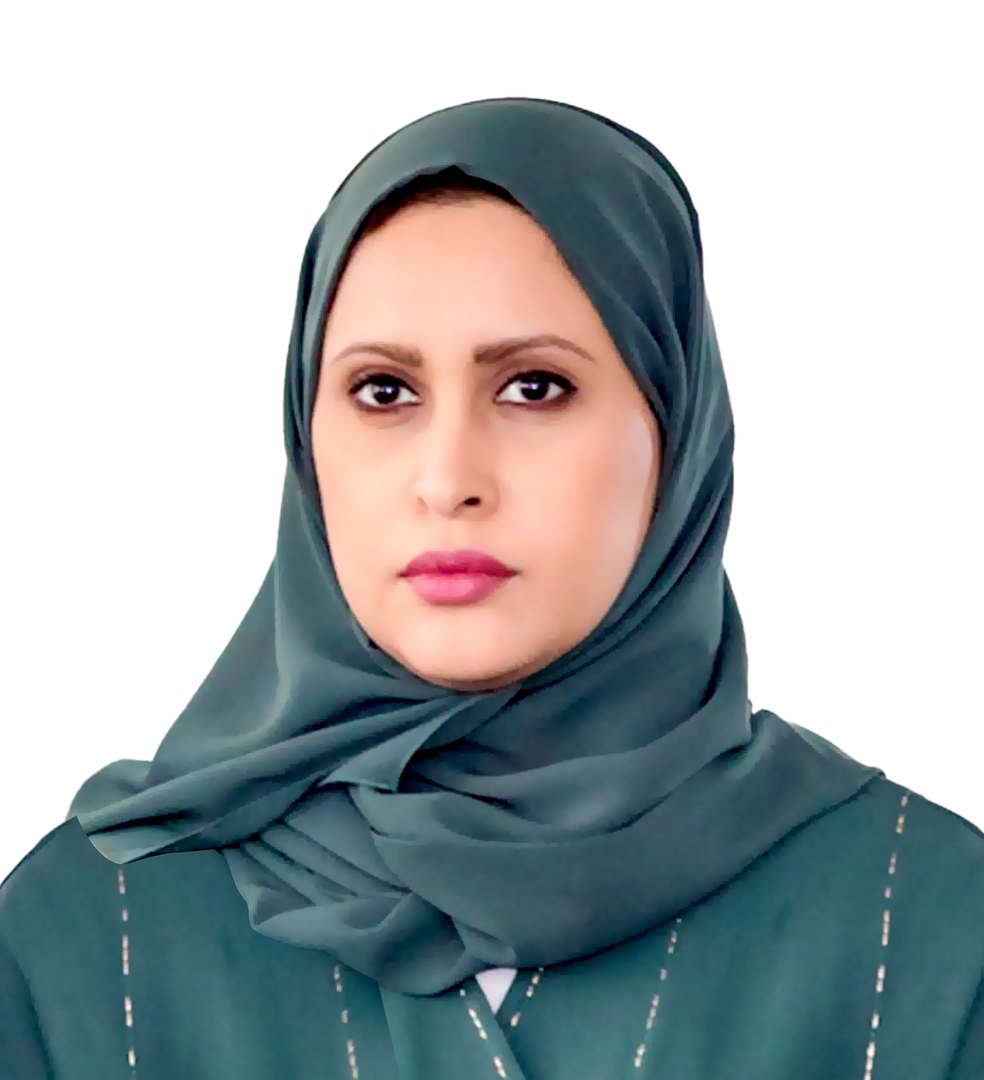
Her Excellency Dr. Maimoonah K. AlKhalil

Secretary General of the Family Affairs Council

Council Members

H.E. Dr. Khalid Muhammad Albatal

Council Member, Representative of the Ministry of Interior

H.E. Sheikh Mohammed Abdul Wahed Al-Arifi

Council member, Ministry of Islamic Affairs, Dawah and Guidance representative

H.E. Dr. Salman Fawzan al-Fawzan

Council Member, Representative of the Ministry of Justice

H.E. Mr. Badr Ibrahim Al-Suwailem

Council Member, Representative of the Ministry of Human Resources and Social Development

H.E. Eng. Ammar Mohammed Nagadi

Council Member, Representative of the Ministry of Economy and Planning

H.E. Dr. Mohammed Abdullah Al-Qasim

Council Member, Representative of the Ministry of Health

H.E. Mr. Hamed Mohammed Fayez

Council Member, Representative of the Ministry of Culture

H.E. Dr. Abdullatif Mohammed Al-Abdullatif

Council Member, Representative of the Ministry of Media

H.E. Dr. Inas Sulaiman Al-Issa

Council Member, Representative of the Ministry of Education

H.E. Dr. Hisham Abdulrahman Al-Sheikh

Council Member, Representative of the Human Rights Commission

HH Princess Nouf Muhammad Al Saud

Council Member, Specialist in and Advocate for Childhood, Women’s, and Elderly Affairs

H.E. Ms. Nora Abdullah Al-Fayez

Council Member, Specialist in and Advocate for Childhood, Women’s, and Elderly Affairs

H.E. Ms. Samha Saeed Al-Ghamdi

Council Member, Specialist in and Advocate for Childhood, Women’s, and Elderly Affairs

H.E. Ms. Rasha Khalid Alturki

Council Member, Specialist in and Advocate for Childhood, Women’s, and Elderly Affairs
Council Statute

Statute 1437

Statute 1441

Statute 1443

About the Council

About the Council

The Family Affairs Council is the national reference for family affairs, unifying all efforts of government sectors aimed at enhancing the status of the family in the Kingdom and its role in society, contributing to the social and economic stability of families, and achieving the targets of Vision 2030

Establishment of the Council

As part of the Kingdom’s commitment and care for the Saudi family, and recognizing its role as the primary and foundational unit of society, upon which much is relied in building a healthy and active community, the Family Affairs Council was established by the “Statute of the Council of Family Affairs” decision issued by the Council of Ministers, Decision No. (443), dated 20/10/1437 AH, and amended by the decision by the Council of Ministers’ decision No. (443) dated 12/08/1443 AH. The Family Affairs Council is organizationally linked to the Council of Economic and Development Affairs and is chaired by the Minister of Human Resources and Social Development. It enjoys legal personality and financial and administrative independence. *Statute of the Council of Family Affairs – Article 4

Council Secretariat

Council’s Vision

Empowering the family and enhancing its role in the sustainable development of Saudi society 2030.

Council Mission

Excellence in programs, family-centered services and stakeholders, and the development of comprehensive initiatives that contribute to the sustainable development of the family, women, children, and the elderly.

Council Values

Initiative

Reliability

Participation

Innovation

Responsibility

Organizational Structure

Council Committees

According to Article 6 of the regulations, the Council has the authority to form “the necessary permanent or temporary technical committees, including the Childhood Committee, the Elderly Committee, and the Women’s Committee.” The Council determines the members of each committee, its tasks, working mechanism, and governance. These committees are responsible for preparing local, regional, and international contributions on topics related to each committee’s area of expertise.

Committees’ Tasks

Childhood Committee

This committee specializes in children from birth to 18 years of age for both genders, regardless of their health, social or financial status. The Childhood Committee is composed of a number of specialists, experts and individuals concerned with child welfare. It is responsible for proposing and reviewing laws, regulations, policies, plans, projects, programs and initiatives aimed at  meeting the needs for the growth, care, and protection of children, in line with the general goals and policies of the Family Affairs Council and the strategic directions of the Kingdom’s vision

Women’s Committee

This committee is specialized in women’s affairs and is composed of specialized members, experts and those interested in women’s affairs. It works on reviewing policies, building partnerships and adopting initiatives and programs that aim to enhance the status of women and empower them socially, economically and intellectually to ensure the sustainability of their family stability, in line with the general goals and policies of the Family Affairs Council and the strategic directions of the Kingdom’s vision.

Elderly Committee

This committee specializes in the affairs of the elderly aged 60 years and above. It consists of a number of specialists, experts and those interested in the affairs of the elderly, nominated by a decision of the Council. The committee is responsible for proposing and reviewing laws, regulations, policies, plans, projects, programs, and initiatives that meet the needs of the elderly, in line with the general goals and policies of the Family Affairs Council and the strategic directions of the Kingdom’s vision.

Council Mandates

Developing the National Family Strategy in coordination with the relevant authorities, and periodically following up its implementation and evaluation

Ensuring that governmental and private entities linked to family affairs fulfill their roles, achieve their goals, and coordinate between them to form a unified vision for the family.

Raising awareness of the rights and duties of family members in Islam. Identifying the issues and risks facing families, and working to develop appropriate solutions for them.

Raising community awareness of the importance of family issues and ways to address them. Encouraging community participation in taking care of family issues and proposing solutions to address them.

Providing feedback to the concerned authorities on the national reports of family affairs (children, women and the elderly) in the Kingdom.

Providing insights on reports, studies, inquiries and recommendations issued by regional and international bodies and organizations on activities and programs related to family affairs, and proposing insights and recommendations thereon, without infringement to the responsibilities of the concerned authorities.

Making proposals on family-related legislation.

Developing a database on family affairs.

Cooperating with relevant regional and international bodies and organizations concerned with family affairs and participating in conferences and seminars addressing family issues through the specialized committees, in line with the applicable procedures.

Collaborating with local and international research centers to conduct research and studies related to family affairs, in line with the applicable procedures.

Chairman of the Council

His Excellency Eng. Ahmed Alrajhi 

 Chairman of Family Affairs Council,Minister of Human Resources and Social Development

Secretary General

Dr.Maimoonah K. AlKhalil

Secertary General of Family Affairs Council 

Council Members

His Excellency Dr. Khalid M. Albatal 

Council member, Ministry of Interior representative

Dr. Laila H. Alqasem

Council member, Ministry of Islamic Affairs, Dawah and Guidance representative

Sheikh Abdulrahman A, Alqasem 

Council member, Ministry of Justice representative

His Excellency Eng. Amar M. Nagadi

Council member, Ministry of Economy and Planning representative

His Excellency Dr. Mohammad A. Alqasem 

Council member, Ministry of Health representative

His Excellency Mr. Hamed  M. Fayez

Council member, Ministry of Culture representative

Dr. Hassan M. Khormi

Council member, Ministry of Education representative

His Excellency Dr. Hesham A. Al-Alshkaikh

Council member, Human Rights Commission representative

Dr. Abdulatif M. Al-Abdulatif

Council member, General Authority of Media Regulation representative

Her Royal highness Princess Sara Bint Mussaed 

Council member, female expert in children, women and elderly affairs representative

Princess Nouf Bint Mohammad

Council member, female expert in children, women and elderly affairs representative

Her Excellency Dr. Huda Alameel

Council member, female expert in children, women and elderly affairs representative

Dr. Elham Aldakheel

Council member, female expert in children, women and elderly affairs representative

Council organization

Organizing 1437

Organizing 1441

Organizing 1443